

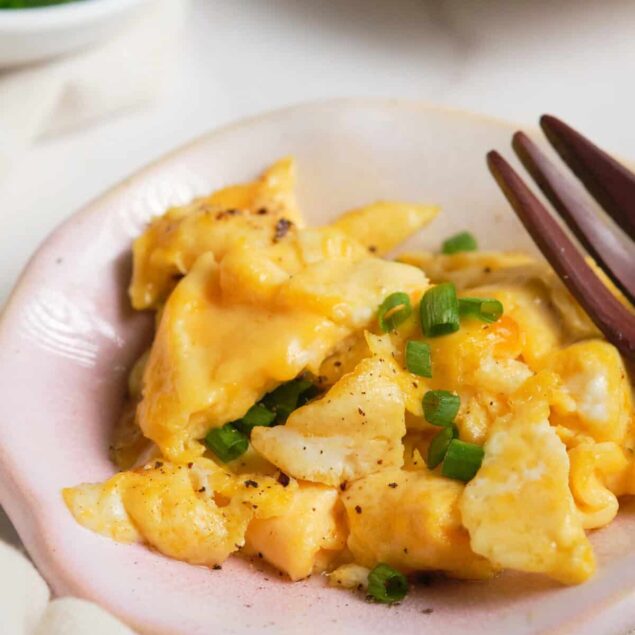
Learn How To Make Scrambled Eggs that come out fluffy and creamy every single time.
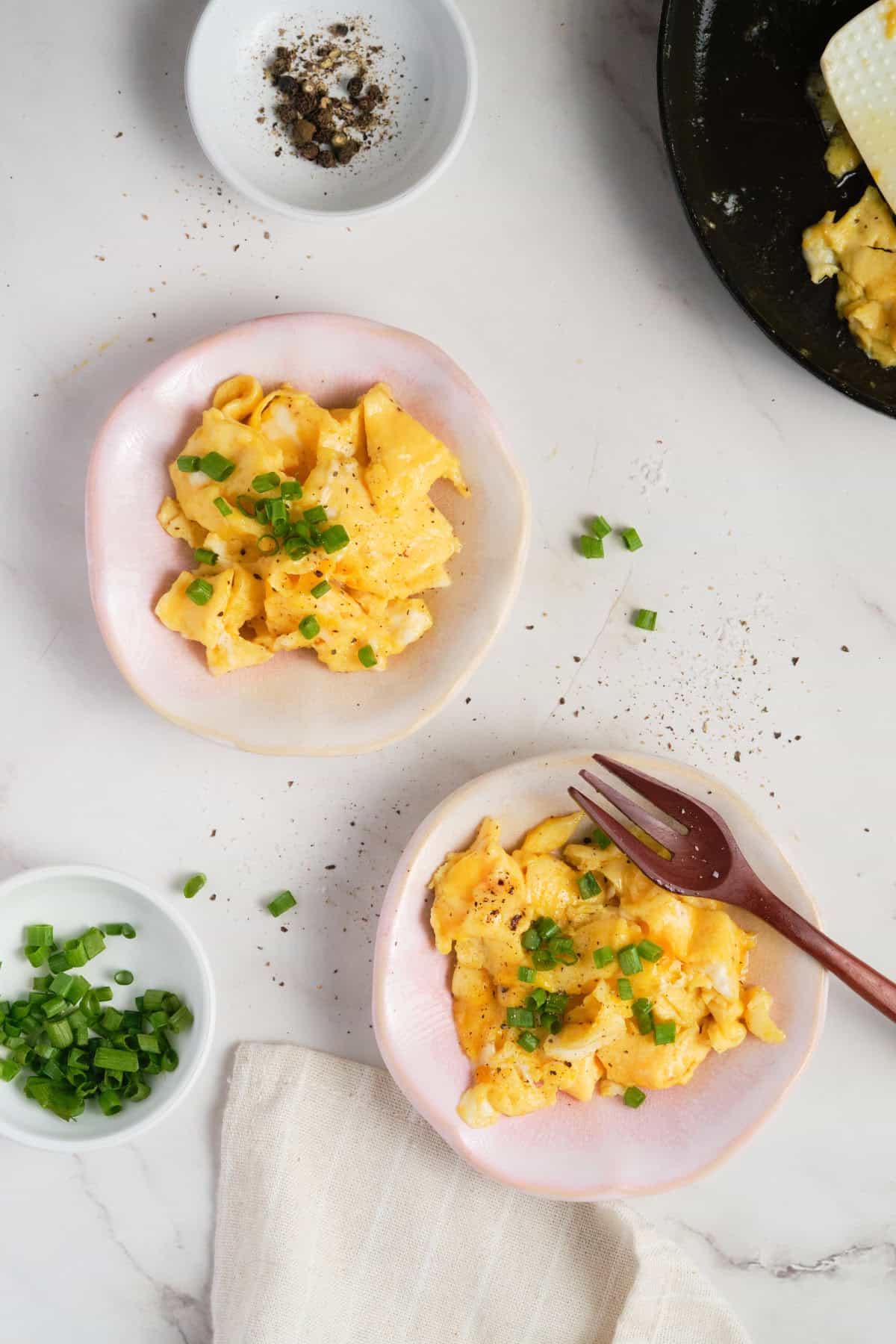
Next to sourdough toast, scrambled eggs are a breakfast mainstay in my house. Whether it’s the workweek or the weekend, you’ll find me scrambling a batch and probably sprinkling on some microgreens, pretending I’m on a cooking show. We all do that, right?
Sure, eggs provide all sorts of health benefits, but honestly, I make them because eggs taste amazing and are ridiculously easy to cook. More importantly, all three of my kids actually eat eggs, so it’s basically a breakfast miracle.
If you’re wondering how to make scrambled eggs, this simple recipe is a foolproof starting point. Yes, there are countless ways to scramble eggs (and probably a few heated debates about it), but I’d argue that this method produces the most consistent—and delicious—results.
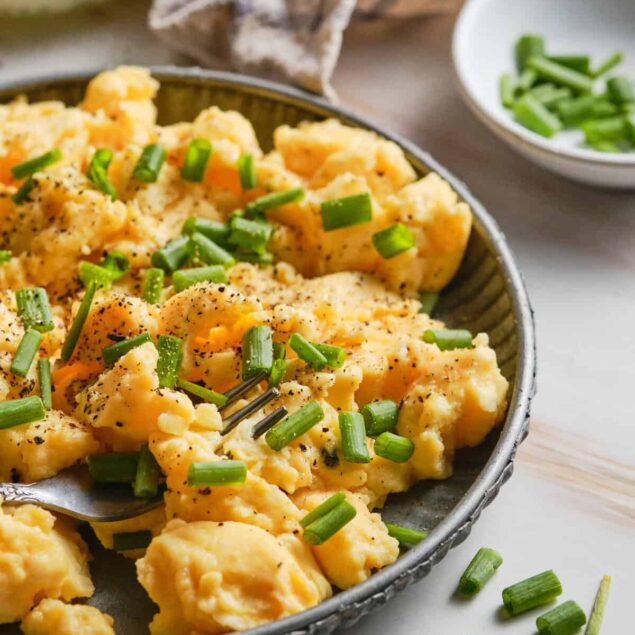
These scrambled eggs are buttery, fluffy, and perfectly seasoned, just like those fancy brunch restaurants. I’m also a huge fan of chives. Feel free to leave them out, but I love their sharp yet subtle herbaceousness. Just a touch of milk makes the eggs extra creamy. Add a pinch of sea salt and pepper, and you’ll see why I sometimes eat my eggs straight from the pan!
Let’s crack some eggs, shall we?
Are Scrambled Eggs Healthy?
Aside from protein, scrambled eggs offer essential vitamins like B12 and D. And if you go for genuinely cage-free eggs—I’m talking about the chickens that are free to roam the pastures—you’ll get even more nutrients.
In a study conducted by Penn State University, they learned that pasture-raised eggs contained two times the amount of vitamin E and almost 40% more vitamin A than the eggs you get from factory farms. You also get more than double the total omega-3 fatty acids—just some food for thought.
Feel free to reduce the butter or swap it with olive oil. Also, unsweetened oat milk is a worthy dairy substitute for this recipe.
Low And Slow Is the Way To Go
I’ve definitely scrambled my eggs under high heat. The eggs are finished in less than half the time, and if Gordon Ramsay does it, so can I! However, the general consensus is that scrambling eggs on low is the most effective method. The low heat allows the eggs to form soft curds without the risk of overcooking. And between the butter and milk, your eggs should stay nice and moist throughout the whole process. That said, whisking is equally important. You need several good whisks before pouring the eggs into the pan. This adds air to the mixture, giving you that fluffy, cloud-like texture.
How To Make Ahead And To Store
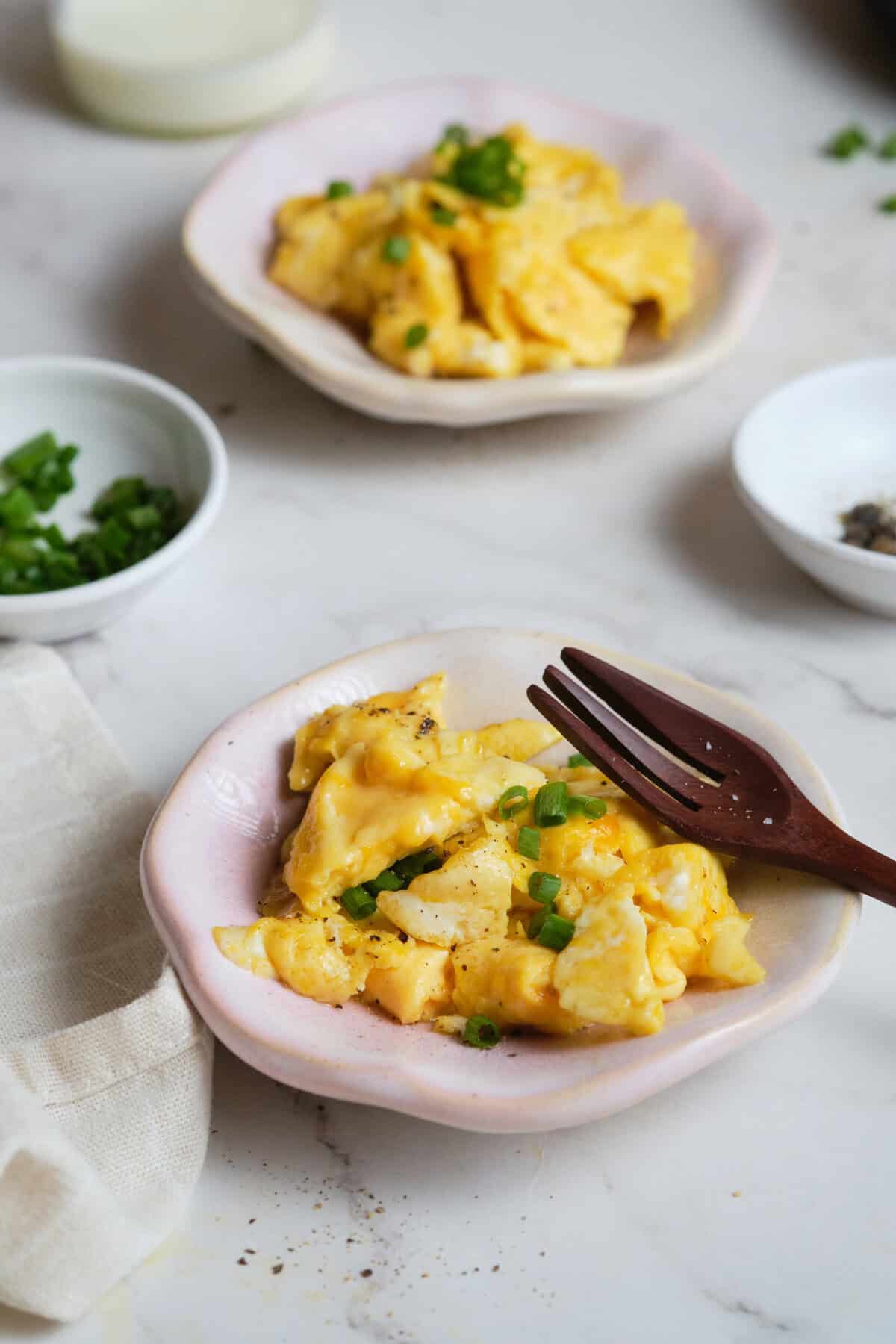
Scrambled eggs are best enjoyed fresh, but you can make them a few hours ahead if needed. Store them in an airtight container in the fridge, and reheat gently on low heat with a bit of butter or milk to restore the creaminess. Leftovers should last up to 3 days, but like I said, fresh is best.
Serving Suggestions
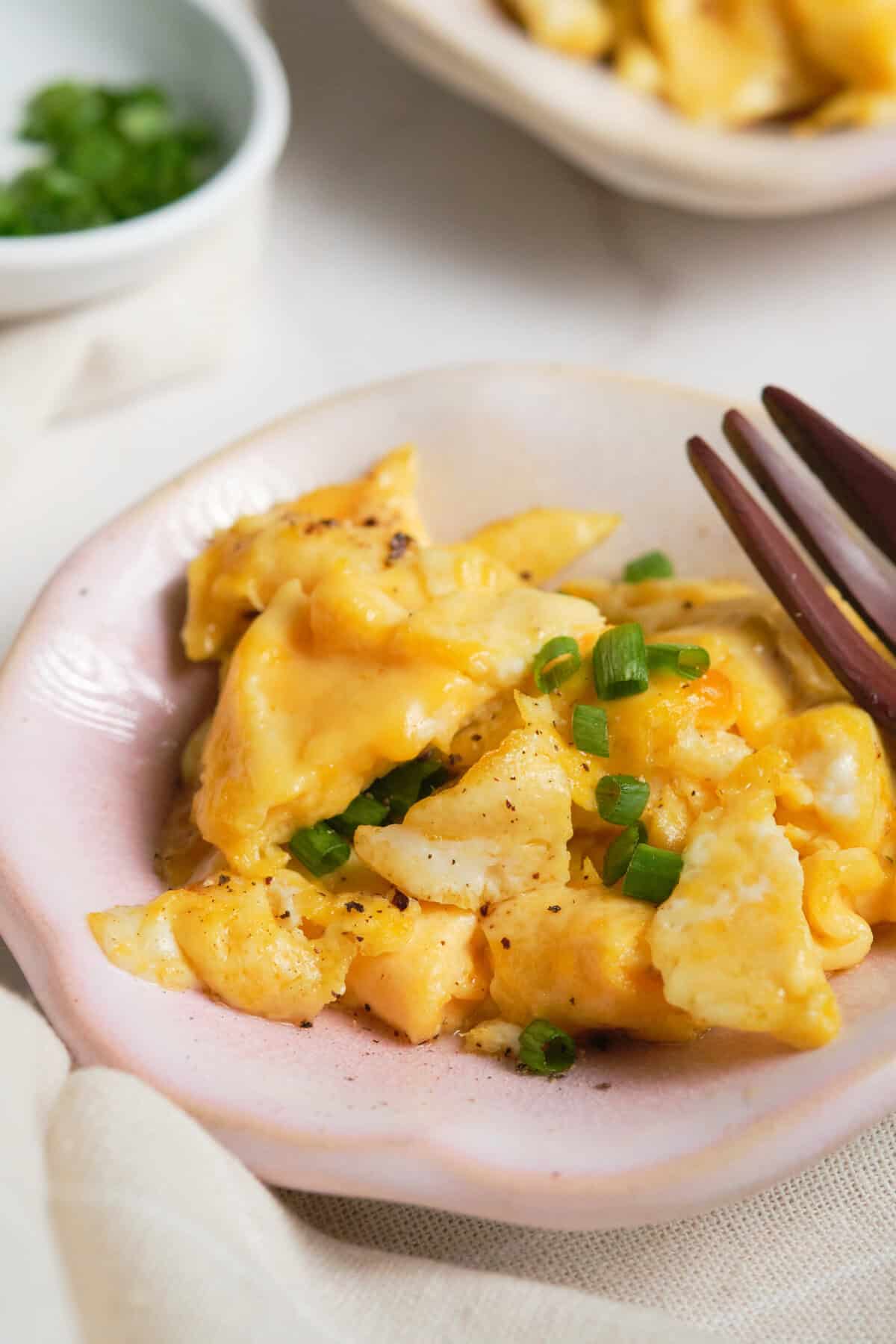
Pair your scrambled eggs with Avocado Toast and some Air-Fryer Turkey Bacon—that’ll keep you full until dinner! I’m also a sucker for breakfast potatoes because, why not? If you’re feeling brunchy, serve them alongside Salmon And Asparagus and maybe a refreshing Fruit Salad.
Ingredients
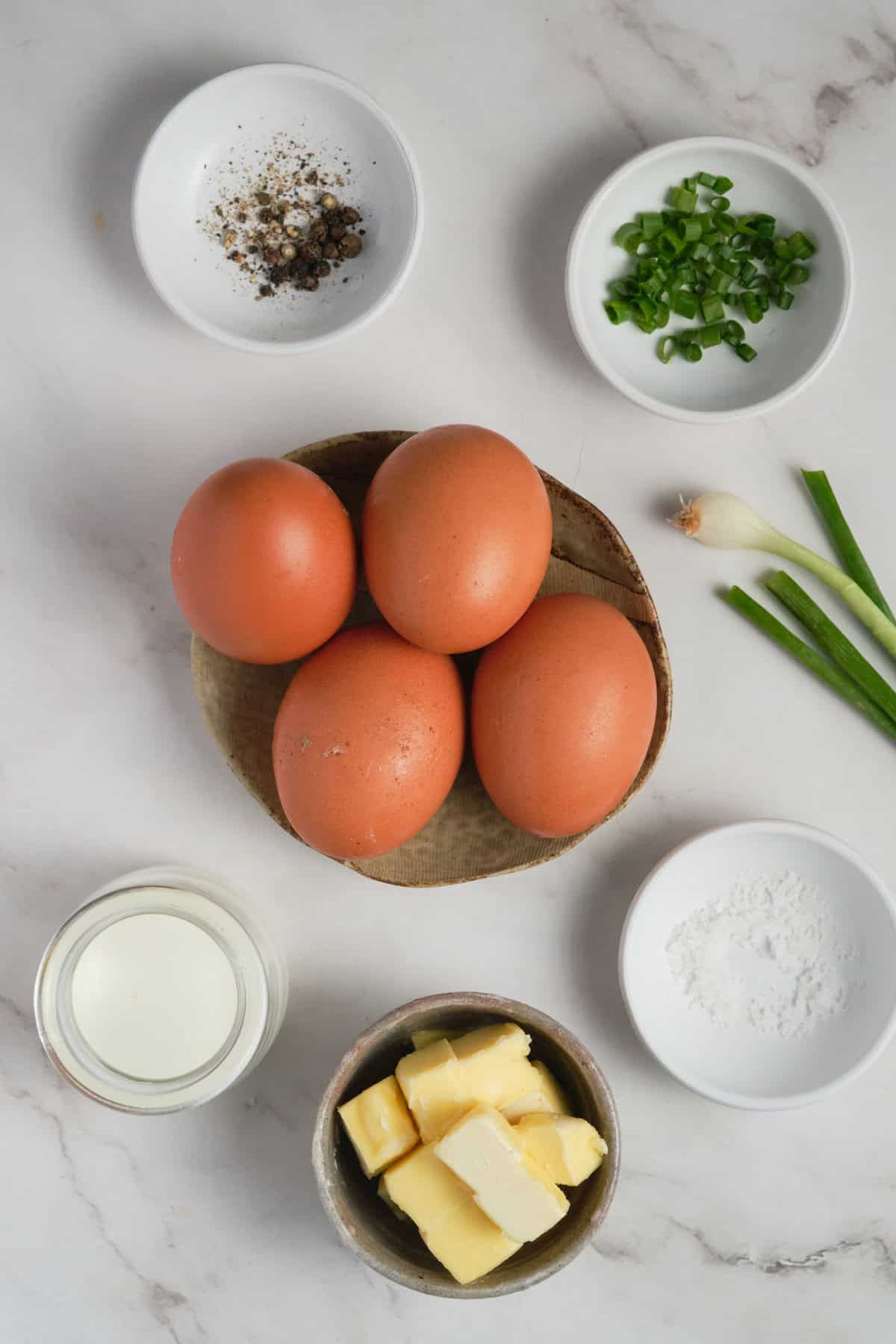
- 4 large eggs
- 1 tablespoon milk
- 4 tablespoons butter
- 1 bunch of chives chopped
- Pinch of sea salt and fresh black pepper
Instructions
- In a small bowl crack the eggs and whisk with a fork.

- Add the milk and whisk until foamy.

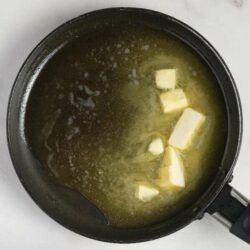
- Heat a nonstick skillet on low heat and add the butter.
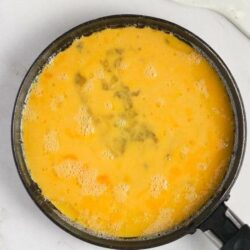
- Pour in the eggs and let them set for a few seconds.
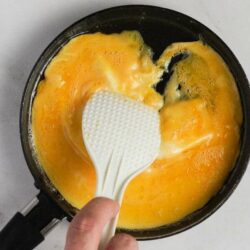
- With a spatula, form curds of the scrambled eggs while moving from the edge of the pan into the middle. Repeat this step until the eggs start to almost set. Turn off the heat and give the eggs a final stir.
- Season with salt and pepper and transfer to plates.

- Garnish with chopped chives and enjoy!

Nutrition Info:
Nutrition information are estimates only and may vary based on the specific brands, ingredients, and portion sizes you use. This data is provided for informational purposes only.


Leave a Comment