

Refresh your routine with this quick and easy recipe for a classic gin-based beverage that elevates any moment!
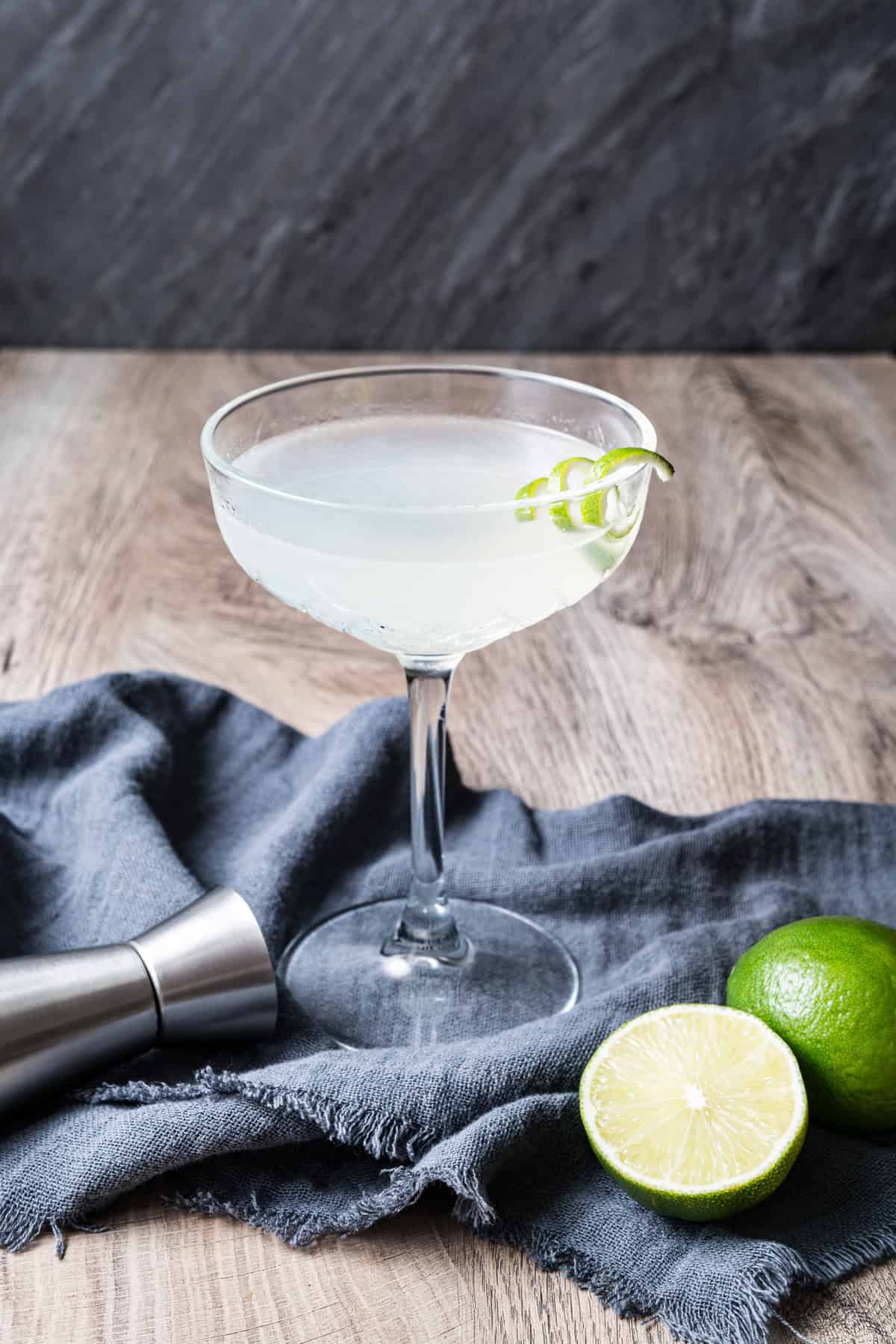
Looking to level up from your typical gin and tonic? This gimlet cocktail recipe refreshes your routine with a couple simple tweaks. But it’s hardly a novel idea! The gimlet’s origin story navigates all the way back to 19th-century British naval history.
Sailors at sea were required to consume lime juice to prevent scurvy—a serious disease that results from vitamin C deficiency. The lime juice alone was unpleasant, so a Royal Navy physician named Sir Thomas Gimlette suggested mixing it with gin to make the daily dose more palatable. The cocktail’s name could be a reference either to the doctor or to a tool called a gimlet that’s used to tap casks on ships. Over time, the gimlet moved from sea to land, gaining literary fame in Raymond Chandler’s novel The Long Goodbye and becoming a staple in classic cocktail bars.
My version follows the original idea of combining herbaceous gin and tart lime juice with the added touch of simple syrup. I love the refreshing burst of juniper-infused citrus in every chilled sip. Whether you’re hosting an elegant event, entertaining a few friends, or simply relaxing after a long day, this gimlet cocktail will add a bright note to the moment.
Glassware matters: coupe vs. martini glass
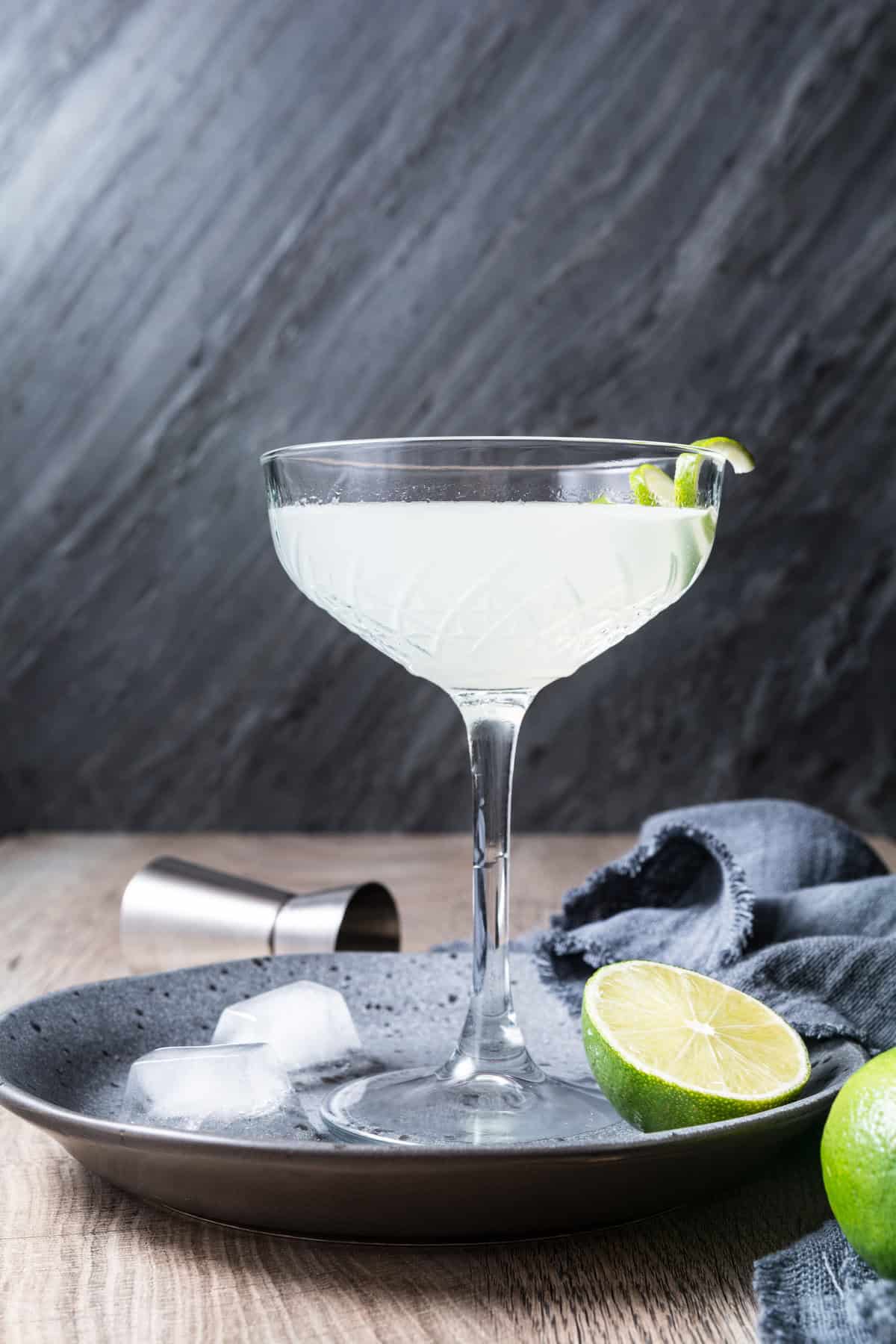
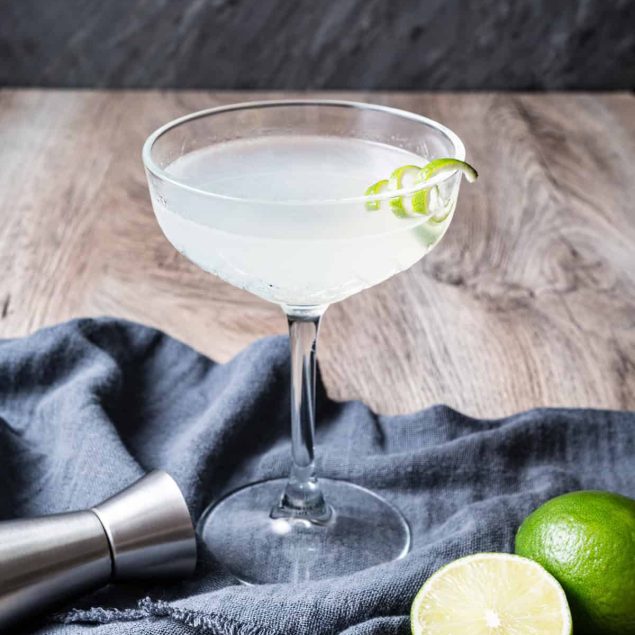
A coupe glass is a stemmed drinking vessel with a rounded, shallow bowl. Originally designed in the 17th century for champagne, it became popular for cocktails in the mid-20th century. Many mixologists favor its broad surface for opening up a gimlet’s aromas. The martini glass was introduced to the world at the 1925 International Exhibition of Modern Decorative and Industrial Arts in Paris as a modernist take on the coupe. Its strong geometric aesthetics feature a longer stem and a V-shaped bowl that holds more liquid, typically around eight ounces versus five or six ounces for a coupe.
Feel free to use either glass style for this gimlet recipe. The coupe glass minimizes spills with its rounded walls and can feel less precarious to hold and sip. The martini glass, on the other hand, gives a classic, angular presentation but is easier to spill and can sometimes accentuate strong alcohol vapors. Neither is objectively “better”—the choice comes down to personal preference, with some bartenders preferring the coupe for smaller, aromatic cocktails, and others choosing the martini glass for tradition and visual drama.
How do I store leftovers?
In my experience, a gimlet tastes best when it’s served fresh and ice cold from the shaker. But you can store a leftover drink in a tightly sealed glass jar or container in the fridge for up to 24 hours. Shake well before serving. You can also freeze leftover gimlets for up to 1 month in a freezer-safe container or ice cube tray. Thaw in the fridge or at room temp, then shake well and garnish with fresh lime.
Serving suggestions
Pair your gimlet with creamy, delicate Seafood Risotto to enhance the drink’s bright botanical notes. Or lean into its gin-forward profile with the peppery, savory elements of Tofu Tikka Masala. For a finger-food spread, both Ricotta Crostini and Crab Rangoon complement this cocktail’s crisp, herbal character.
Ingredients
- 2 ounces gin
- 3/4 ounce lime juice freshly squeezed
- 3/4 ounce simple syrup
- Lime twist or lime wheel for garnish
Instructions
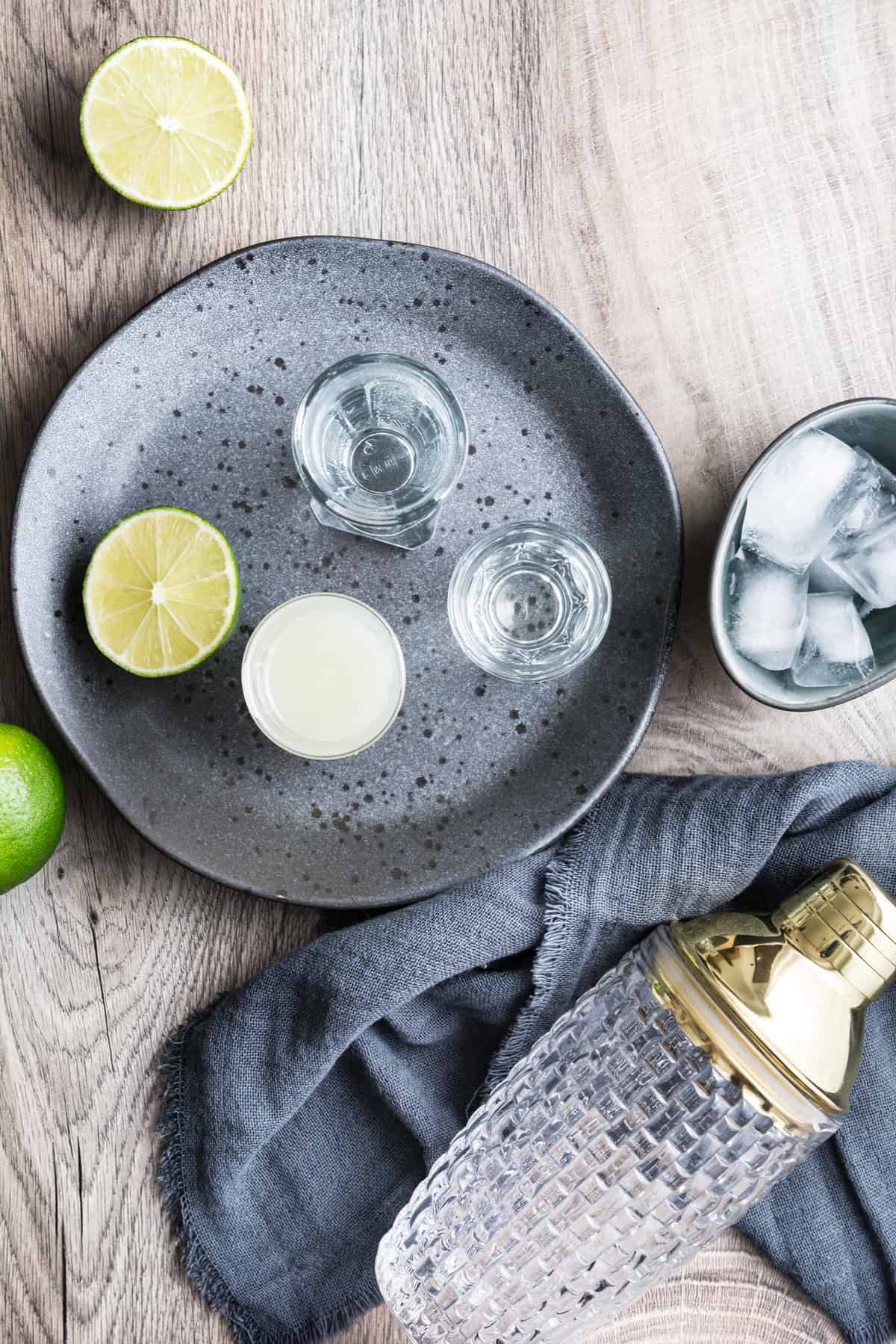
- Fill a cocktail shaker with ice cubes. Add the gin, lime juice, and simple syrup.
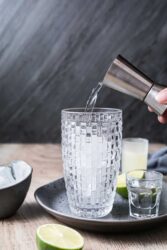
- Shake vigorously for 15–20 seconds, until well chilled.
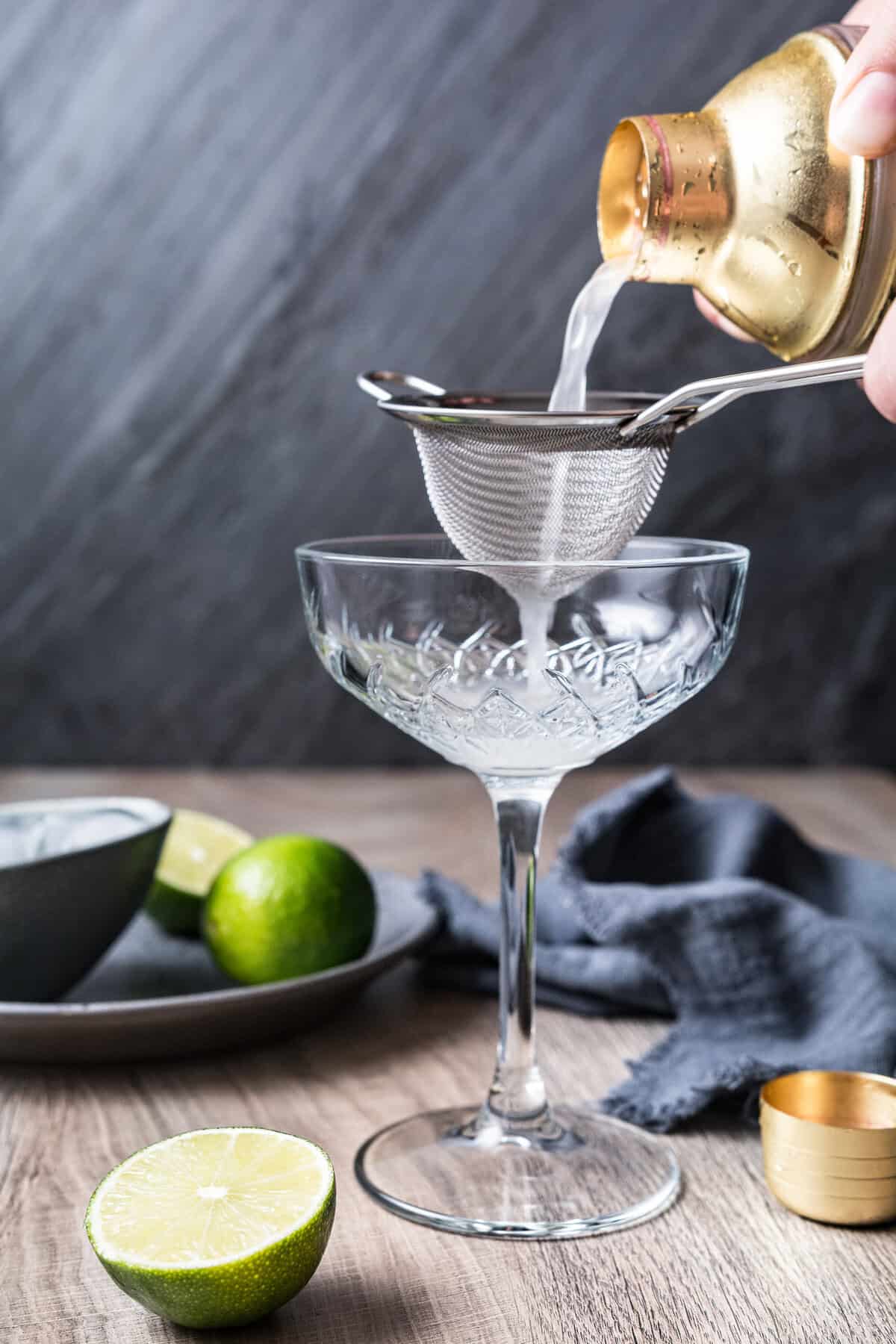
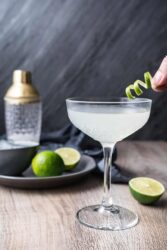
- Strain the cocktail into a chilled coupe or martini glass.

- Garnish with a lime twist (twisting a strip of lime peel over the glass to release its aromatic oils) or a lime wheel.
Nutrition Info:
Nutrition information are estimates only and may vary based on the specific brands, ingredients, and portion sizes you use. This data is provided for informational purposes only.


Leave a Comment